

Toyota installed LittaTrap™'s as part of a pilot to showcase how effectively they can achieve their sustainability goals.
Even with strong housekeeping practices and waste management procedures, litter can still find its way into stormwater drains. Wind-blown packaging, accidental spills, and debris dropped by pedestrians or vehicle movements can all be transported by rainfall into nearby waterways.
To better understand the scale of this issue, a trial was undertaken using LittaTrap™ catch basin inserts to monitor the quantity and type of litter entering the stormwater system from a busy commercial site.
While many organisations have robust environmental management practices, completely eliminating litter loss is difficult.
Common sources of stormwater pollution include:
Without interception, these pollutants are carried directly into rivers, lakes, and coastal environments through the stormwater network.
The objective of the trial was to quantify litter loading and demonstrate the effectiveness of capturing pollutants at the catch basin before they entered the receiving environment.
LittaTrap™ catch basin inserts were installed throughout the site to intercept litter and gross pollutants at the source.
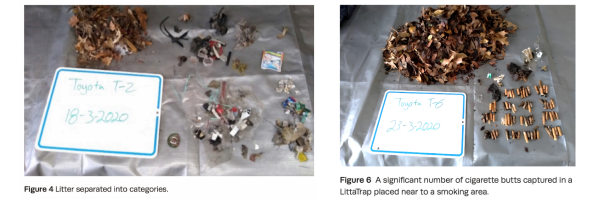
During routine maintenance, each basket was removed and the contents sorted into individual waste streams, including:
This provided valuable data on both the quantity and composition of pollutants being generated by the site.
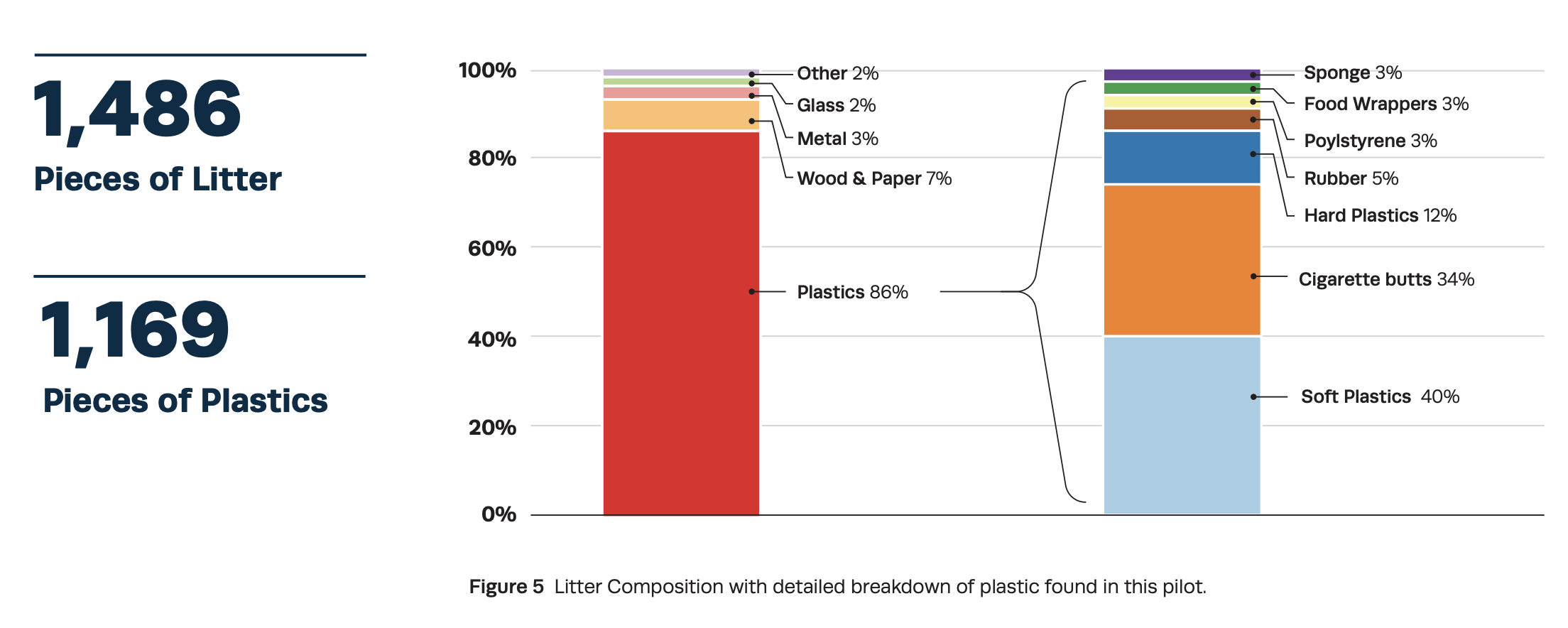
Over a 100-day monitoring period, the LittaTrap™ units captured:
Across the twelve monitored catch basins, the annual capture potential was estimated at:
All of this material would otherwise have entered the stormwater network and ultimately the receiving environment.
Commercial and industrial sites often have excellent waste management practices, yet small amounts of litter inevitably escape through everyday operations.
By capturing pollutants inside the catch basin, LittaTrap™ provides an additional layer of environmental protection, preventing litter from becoming stormwater pollution.
The monitoring also provides valuable data that organisations can use to:
This trial demonstrates that even well-managed commercial facilities can generate significant amounts of litter that enter the stormwater system through everyday activities.
With more than 1,400 pieces of litter captured in just 100 days, the results highlight the importance of at-source stormwater treatment. By intercepting pollutants before they leave the site, LittaTrap™ helps businesses reduce their environmental impact, protect local waterways, and support long-term sustainability goals.
