Laboratory testing establishes performance under controlled conditions. Field monitoring asks a different question: how does a device perform when runoff arrives from a working road or car park, with a different mix of sediment in every storm?
A new EnviroBasin™ field evaluation examines that question at two sites: an arterial road in London, Ontario, and a commuter car park at the University of New Hampshire Stormwater Center. At each installation, samples of water entering and leaving the unit were collected during storm events to measure suspended sediment removal and changes in particle size.
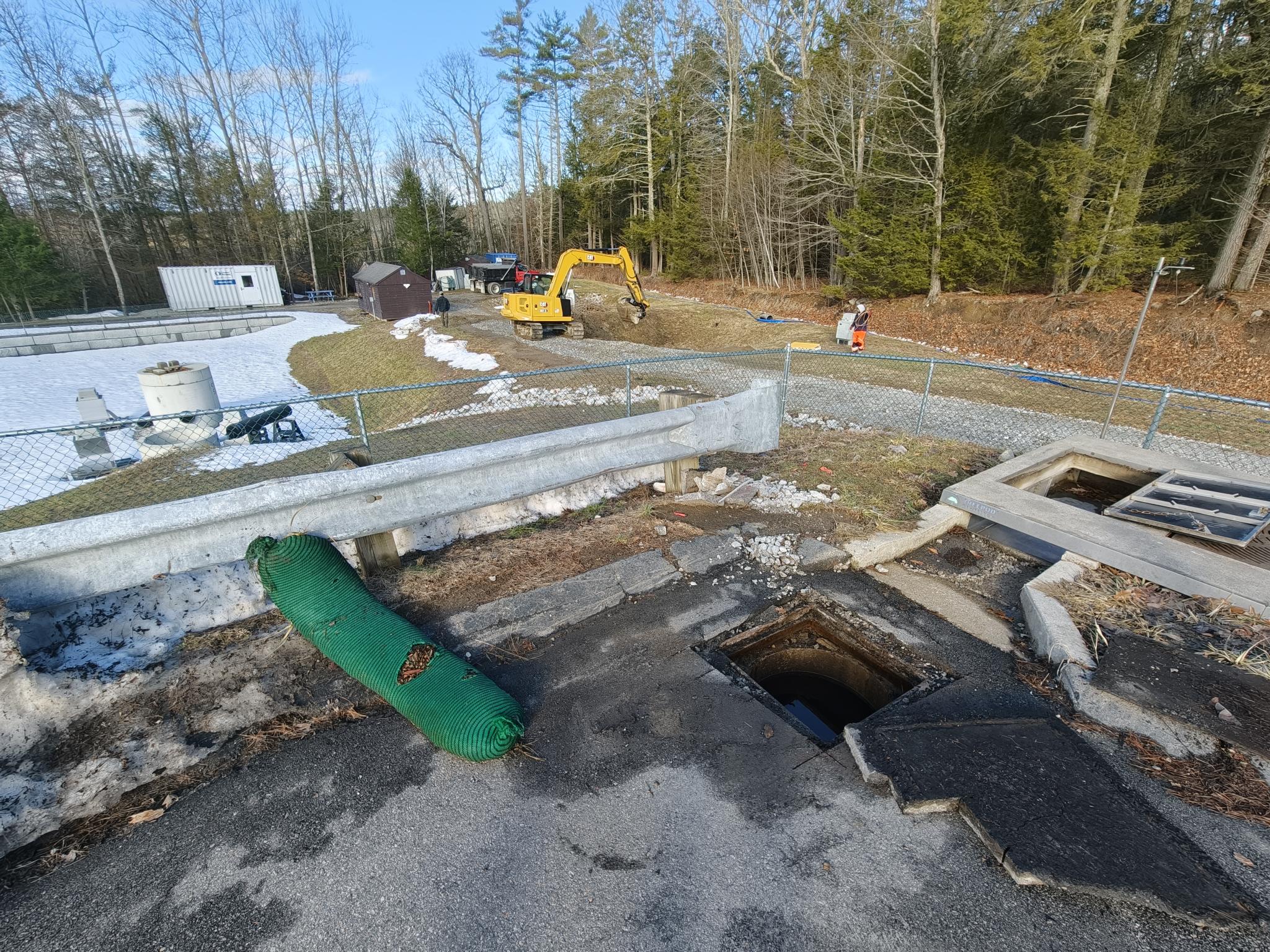
The London installation receives runoff from approximately 630 m² of asphalt road. Fourteen events were sampled between April 2025 and June 2026, with 11 rainfall events included in the removal analysis.
Across those 11 events, EnviroBasin™ removed an average of 53% of suspended sediment. For particles larger than 53 micrometres the coarse, settleable fraction targeted by pretreatment, average removal was approximately 80%.
The difference between those figures matters. Some storms carried substantial sand and grit; others were dominated by fine particles that remain suspended. The evaluation found that removal increased when the incoming runoff contained more coarse sediment. Water leaving the unit was predominantly carrying finer material.
.png)
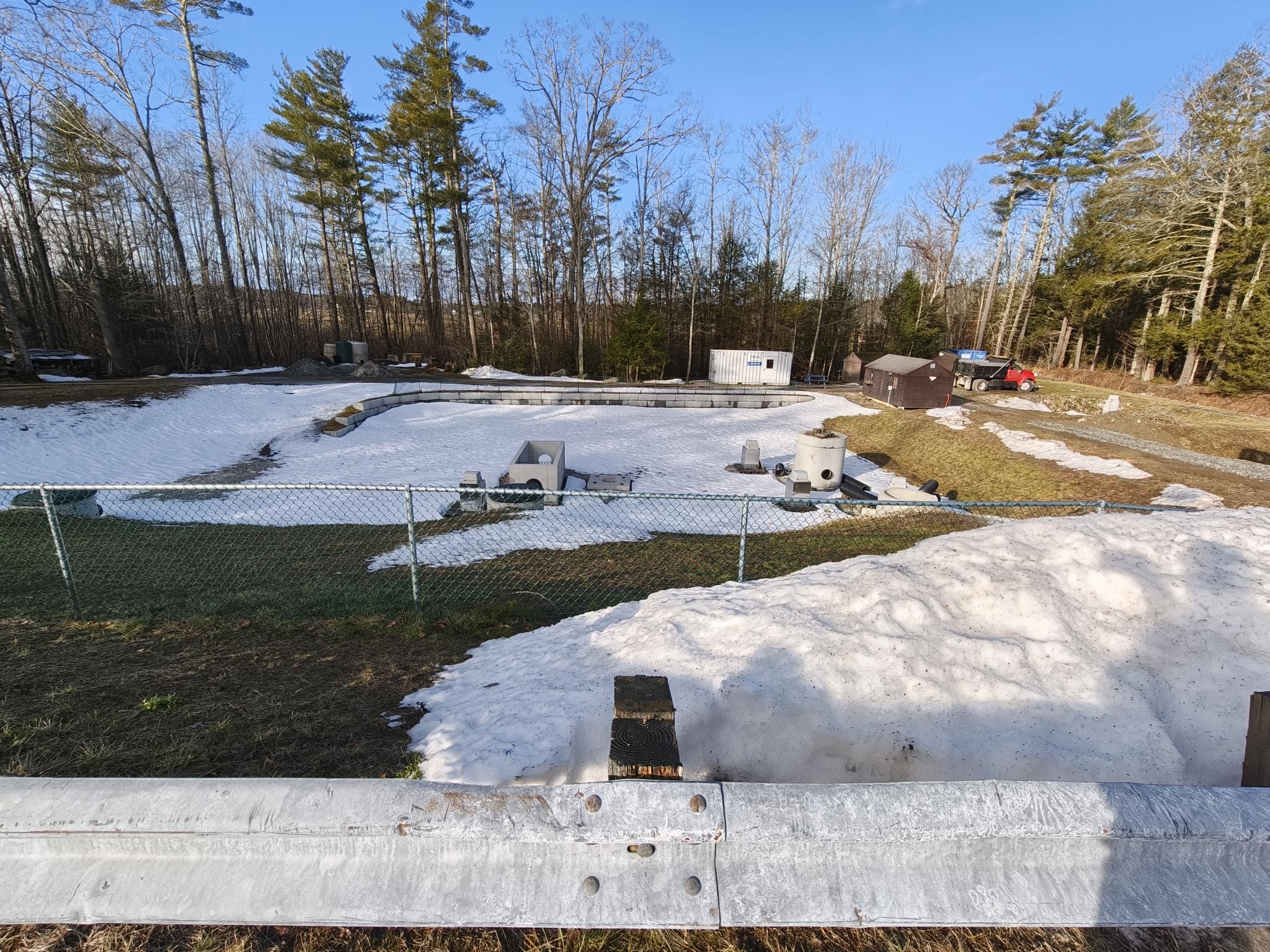
At the University of New Hampshire Stormwater Center, the EnviroBasin™ treats runoff from an active commuter car park of approximately 5,000 sq ft (465 m²). Six storm events were sampled. Five had sufficient incoming sediment to be included in the report’s percentage-removal analysis.
The incoming sediment at this site was predominantly coarse. Across the five assessed events, EnviroBasin removed 84–97% of total suspended solids, averaging approximately 90%. That result reflects the sediment arriving at this particular site; it should not be taken as a predicted removal rate for every installation. What do the two sites tell us?
The results show why field performance needs more context than a single removal percentage. At both installations, EnviroBasin captured a substantial share of the coarse, settleable sediment it is designed to remove. The overall percentage changed with the
The EnviroBasin™ combines a catch basin with a screening basket, energy deflector and extended sump. The basket captures leaves, litter and other gross solids; heavier sediment settles in the sump. Capturing this material at the inlet can reduce the load reaching downstream filtration and infiltration systems.
The EnviroBasin already has ISO 14034 Environmental Technology Verification. This evaluation adds real-world performance data from two operating installations. Field monitoring is continuing, so the findings in this report are preliminary.
For municipalities and designers, the takeaway is practical: when evaluating pretreatment, consider both the measured removal and the sediment a site is likely to deliver. The Ontario and New Hampshire results show how EnviroBasin performs its intended role during actual storm events.